For many singles, the idea of speed dating feels both thrilling and intimidating. The thought of sitting across from complete strangers and trying to make a memorable impression in just a few minutes can sound like something out of a movie. Yet speed dating has quietly become one of the most effective and enjoyable ways for first-time singles to meet new people in a genuine, face-to-face environment. In an era dominated by dating apps, endless swiping, and digital conversations that often go nowhere, speed dating offers something refreshingly human. It creates a space where chemistry, energy, humor, confidence, and personality can be felt instantly. For first-time singles, understanding how speed dating works can remove much of the uncertainty and nervousness surrounding the experience. Once the structure becomes clear, the process often feels far less overwhelming and much more exciting. Speed dating is designed to help people connect quickly, comfortably, and efficiently while eliminating many of the awkward challenges that come with traditional dating. Instead of spending weeks messaging someone online only to discover there is no chemistry in person, speed dating allows participants to immediately explore whether a connection exists.
A: You meet several singles in short timed rounds, mark who you like, and receive matches when interest is mutual.
A: Yes. The structure makes meeting people easier, less awkward, and more organized.
A: Most rounds last about 3 to 8 minutes, depending on the event.
A: Ask about hobbies, weekend plans, favorite places, travel, goals, and fun personal stories.
A: Avoid heavy ex-talk, salary questions, political arguments, or anything too personal too soon.
A: Wear something clean, confident, comfortable, and appropriate for the venue.
A: Mark them on your match card or app, then wait to see if they picked you too.
A: Treat it as practice. You still gain confidence, conversation experience, and clarity about what you want.
A: Some events allow it, but many prefer private matching afterward for comfort and safety.
A: Send a friendly message referencing your conversation and suggest a simple next date.
What Actually Happens at a Speed Dating Event
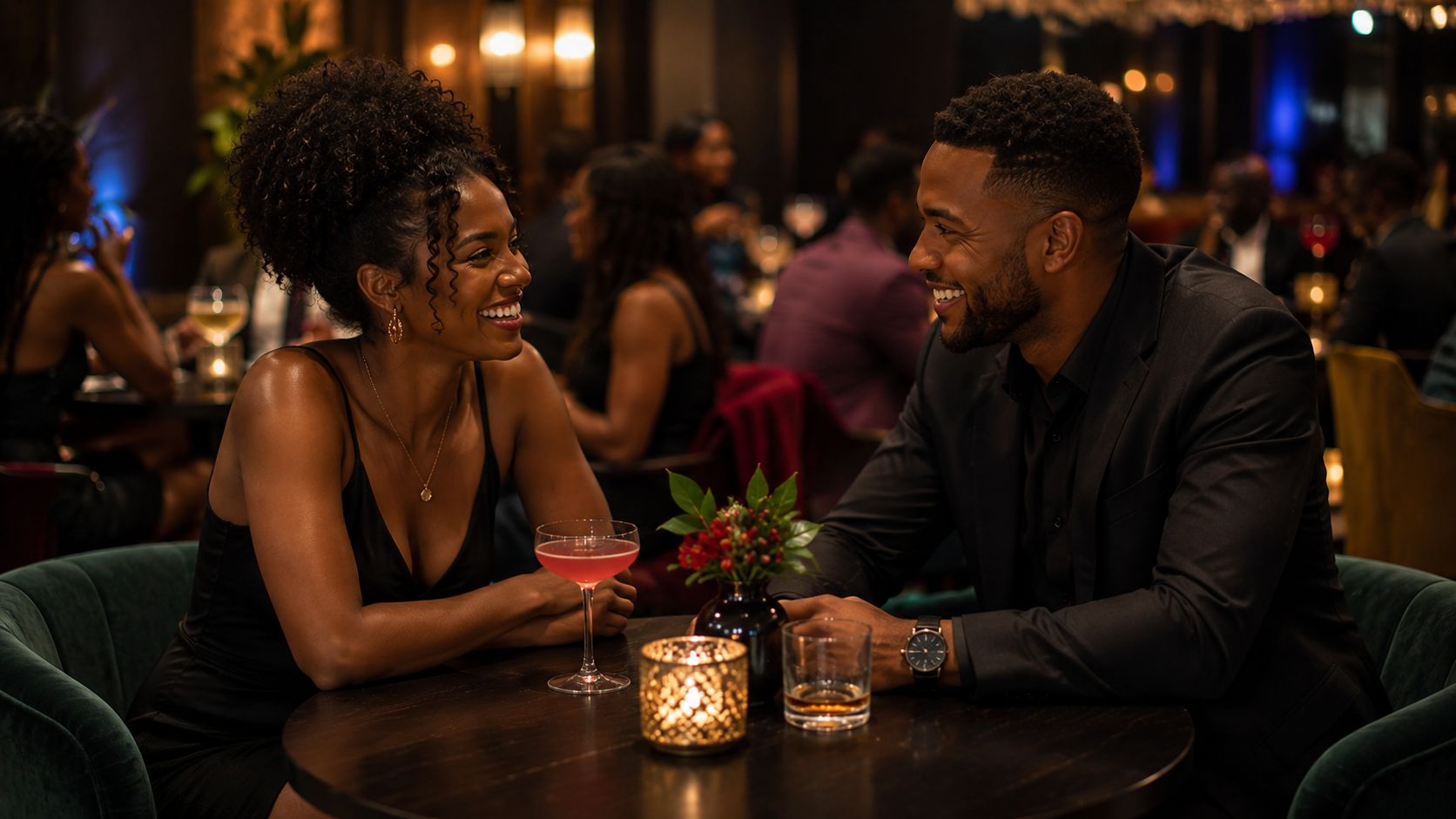
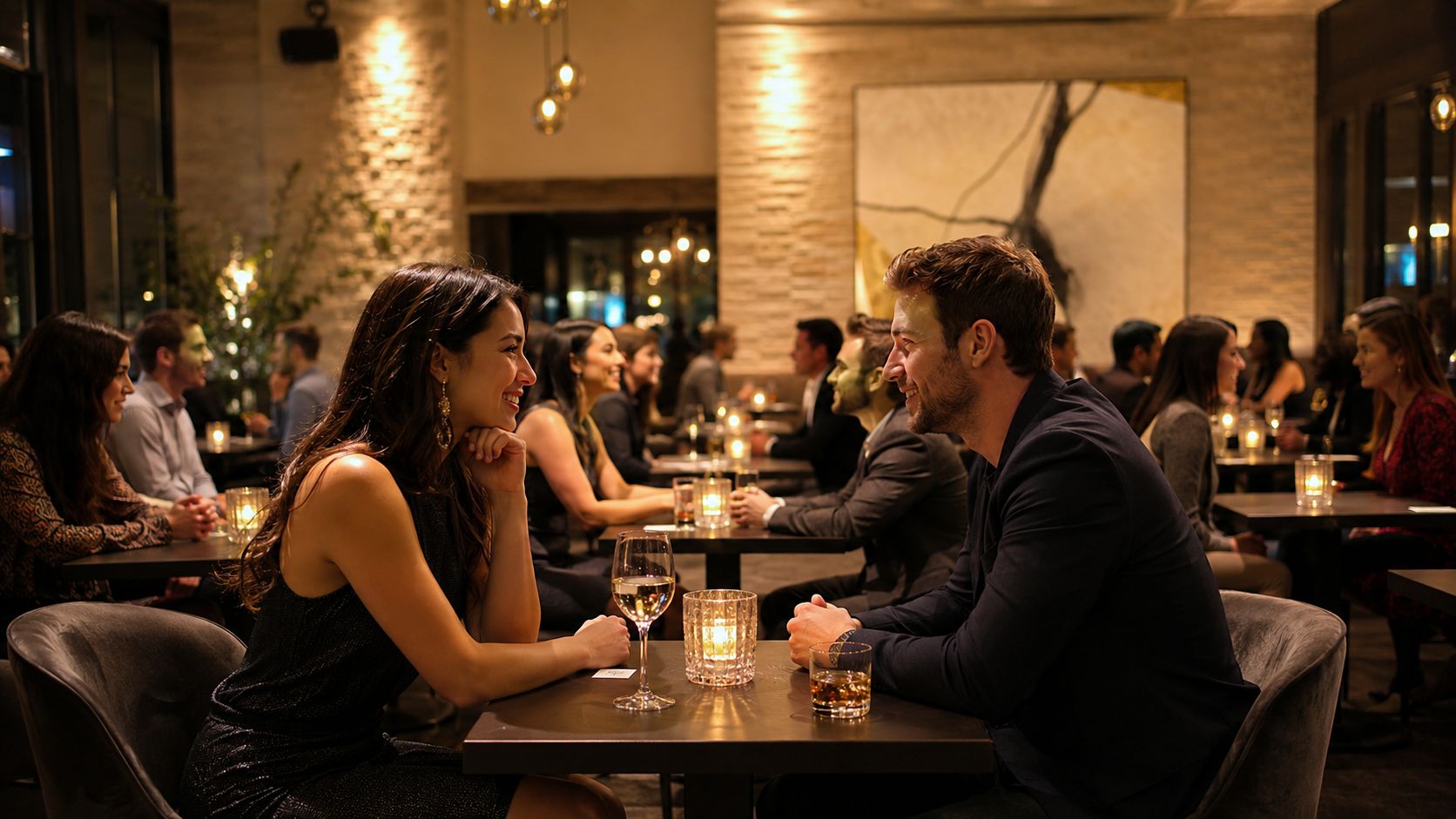
A speed dating event is typically organized around short timed conversations between participants. Most events are hosted at restaurants, lounges, coffee shops, hotels, or social venues designed to create a relaxed atmosphere. Participants usually register ahead of time and are grouped by age range or dating interests to increase compatibility.
When guests arrive, they check in with the host and often receive a name tag and a scorecard or matching sheet. The room is usually arranged with small tables or seating areas where each pair will sit and talk. The atmosphere is often more casual and welcoming than many first-time attendees expect. Soft music, drinks, light conversation, and friendly hosts help reduce tension and encourage interaction.
Once the event begins, participants rotate through a series of mini-dates. Each conversation usually lasts between three and eight minutes depending on the organizer’s format. A timer or bell signals when it is time to move to the next person. During those few minutes, participants introduce themselves, ask questions, share interests, and look for signs of chemistry or compatibility.
At the end of each conversation, participants privately mark whether they would like to see the person again. If both people indicate mutual interest, the organizer later shares contact information so they can continue the connection after the event. This structure removes much of the pressure associated with asking someone out directly because the matching process happens privately.
For first-time singles, one of the most surprising parts of speed dating is how quickly conversations begin to feel natural. Even though the format sounds structured, most participants become comfortable after the first few rounds. The short time limits actually help reduce pressure because nobody feels trapped in a long awkward conversation.
Why Speed Dating Feels Different From Online Dating
One reason speed dating continues to grow in popularity is because it provides something that online dating often struggles to deliver: immediate human connection. Dating apps can create endless opportunities, but they also create endless distractions. Conversations disappear, people lose interest, and many singles become exhausted by superficial swiping culture.
Speed dating changes the dynamic completely. Instead of judging someone based on carefully edited photos and text messages, participants experience real-life interaction immediately. Body language, humor, eye contact, confidence, energy, and communication style become part of the experience. Many people discover that attraction works very differently in person than it does online.
First-time singles often realize that speed dating allows them to evaluate compatibility far more efficiently. In one evening, they may meet ten to twenty people face-to-face. That amount of real interaction could take weeks or months through dating apps. Even if no romantic match occurs, the event still provides valuable social experience and personal growth.
Another major difference is the level of intentionality. Most people attending speed dating events are genuinely interested in meeting someone. The environment encourages active participation rather than passive browsing. That shared purpose often creates a more respectful and engaging atmosphere.
Speed dating also reduces some of the uncertainty that modern dating can create. There is less guessing, less waiting for replies, and less confusion about interest levels. Participants either connect or they do not, and the process moves forward naturally.
Preparing for Your First Speed Dating Night
Preparation can make a huge difference for first-time speed daters. While the event itself is casual, arriving with confidence and a positive mindset helps create a much better experience. One of the biggest mistakes new participants make is treating speed dating like a high-pressure interview. In reality, it works best when approached with curiosity, openness, and a willingness to enjoy the process.
Choosing the right outfit is often the first concern for many singles. The goal is usually to look polished, approachable, and authentic rather than overly formal. Comfortable confidence tends to create a stronger impression than trying too hard to appear perfect. Participants should wear something that reflects their personality while still fitting the atmosphere of the venue.
Conversation preparation can also help ease anxiety. Many first-time attendees worry about running out of things to say during the short conversations. Fortunately, speed dating naturally creates momentum because every interaction is fresh and new. Having a few thoughtful questions ready can still make the experience smoother. Questions about hobbies, travel, goals, favorite experiences, or passions often lead to engaging discussions.
Good speed dating conversations usually balance listening and sharing. People who show genuine interest tend to leave stronger impressions than those who dominate the conversation. Because time is limited, authenticity matters more than trying to impress someone with rehearsed lines or exaggerated stories.
Managing expectations is equally important. Not every conversation will lead to chemistry, and that is completely normal. The purpose of speed dating is exploration rather than perfection. Even conversations that do not lead to romantic matches can still be enjoyable and valuable.
The Psychology Behind Fast First Impressions
One fascinating aspect of speed dating is how quickly people form impressions. Human beings naturally evaluate attraction, communication style, trustworthiness, humor, and emotional energy within moments of meeting someone. Speed dating works because it taps directly into this psychological process.
Research on dating and attraction consistently shows that chemistry is often sensed very quickly. While long-term compatibility obviously requires deeper connection over time, first impressions still play an enormous role in romantic interest. Speed dating creates an environment where these immediate reactions become easier to recognize.
For first-time singles, understanding this dynamic can actually reduce stress. Participants do not need to force perfect conversations or create elaborate performances. Often, the most successful interactions are simple, relaxed, and authentic. A warm smile, good eye contact, genuine curiosity, and confident energy can be far more attractive than memorized conversation techniques.
Confidence itself also works differently in speed dating than many people assume. True confidence is not about dominating the room or appearing flawless. It is usually communicated through comfort, openness, humor, and emotional presence. People who seem relaxed and comfortable with themselves often create stronger attraction because they make others feel comfortable too.
Speed dating also teaches singles how to trust their instincts more effectively. Since conversations happen rapidly, participants learn to recognize how certain interactions make them feel. Some people create excitement and natural flow immediately, while others may feel forced or disconnected. Over time, this awareness helps singles become more intentional in their dating choices overall.
Common Mistakes First-Time Singles Should Avoid
Nearly everyone makes a few mistakes during their first speed dating experience, but understanding the most common pitfalls can help participants feel more prepared. One of the biggest mistakes is approaching the event with excessive pressure. Some singles enter the room believing they must meet “the one” that night. This mindset often increases anxiety and makes conversations feel unnatural.
Speed dating tends to work best when participants focus on enjoying the process rather than chasing a specific outcome. Treating the evening as an opportunity to meet interesting people creates a more relaxed and attractive energy.
Another common mistake is talking too much. Nervousness often causes people to over-explain, ramble, or dominate conversations. Since the time limit is short, balanced interaction matters greatly. The most memorable conversations typically feel mutual and engaging rather than one-sided.
Negativity can also hurt first impressions quickly. Complaints about ex-partners, frustration with dating apps, or cynical attitudes about relationships can create uncomfortable energy. Speed dating works better when conversations remain positive, light, and future-focused.
Some participants also judge themselves too harshly after awkward moments. Every speed dating event includes occasional conversations that feel less natural. That is part of the experience for everyone involved. One awkward interaction does not determine the success of the entire night.
Being overly selective too quickly can become another hidden mistake. Sometimes attraction grows gradually rather than instantly. Keeping an open mind often leads to surprising connections. Many successful couples later admit they initially overlooked each other before realizing deeper compatibility existed.
What Happens After the Event Ends
When the event concludes, participants usually submit their match selections privately to the organizer. Depending on the company, results may arrive later that night or within the next day. If two people mutually selected each other, contact information is shared so they can continue the conversation independently.
This matching system removes much of the fear associated with rejection. Participants never need to publicly ask someone for their number or wonder whether interest was mutual in front of others. The structure creates a safer and more comfortable environment for everyone involved.
For first-time singles, the period after the event can feel exciting and uncertain at the same time. Some participants receive several matches, while others may receive fewer than expected. It is important to remember that speed dating success is not measured only by match numbers. The experience itself builds social confidence, communication skills, and emotional clarity.
Following up promptly after receiving a match is usually encouraged. A simple friendly message referencing something from the conversation can help continue the momentum naturally. Since both people already expressed interest, the initial outreach feels far less intimidating than traditional dating situations.
Even participants who do not find immediate romantic matches often leave with valuable insight. Many discover what qualities attract them most strongly, which communication styles feel natural, and what type of energy they want in future relationships. These lessons can improve overall dating confidence far beyond the event itself.
Why Speed Dating Continues to Thrive in Modern Romance
Despite the dominance of digital dating platforms, speed dating continues to attract singles because it fulfills a deeply human desire for real interaction. Technology has created endless opportunities to connect, but it has also created fatigue, superficiality, and emotional distance in many dating experiences. Speed dating offers a refreshing alternative built around presence, spontaneity, and authentic conversation. For first-time singles, speed dating often becomes more than just a dating event. It becomes an exercise in confidence, vulnerability, and social courage. Walking into a room full of strangers and engaging openly requires bravery, but it also creates growth. Many participants leave feeling empowered simply because they stepped outside their comfort zones. The format itself also adapts well to modern lifestyles. Busy professionals appreciate the efficiency of meeting multiple people in a single evening. Introverts often enjoy the structured nature of the conversations because it removes uncertainty about approaching others. Extroverts enjoy the fast-paced social energy and variety of interactions. Most importantly, speed dating reminds people that chemistry cannot always be predicted through profiles, algorithms, or texting. Human connection is emotional, energetic, and often unexpected. Sometimes a brief conversation across a small table reveals more about compatibility than weeks of online messaging ever could. For singles entering the dating world for the first time or returning after years away, speed dating provides a welcoming gateway into modern romance. It encourages openness, curiosity, and authentic interaction while keeping the experience fun and manageable. Whether participants leave with a romantic match, a confidence boost, or simply a memorable night out, speed dating continues to prove that meaningful connections can happen surprisingly fast.