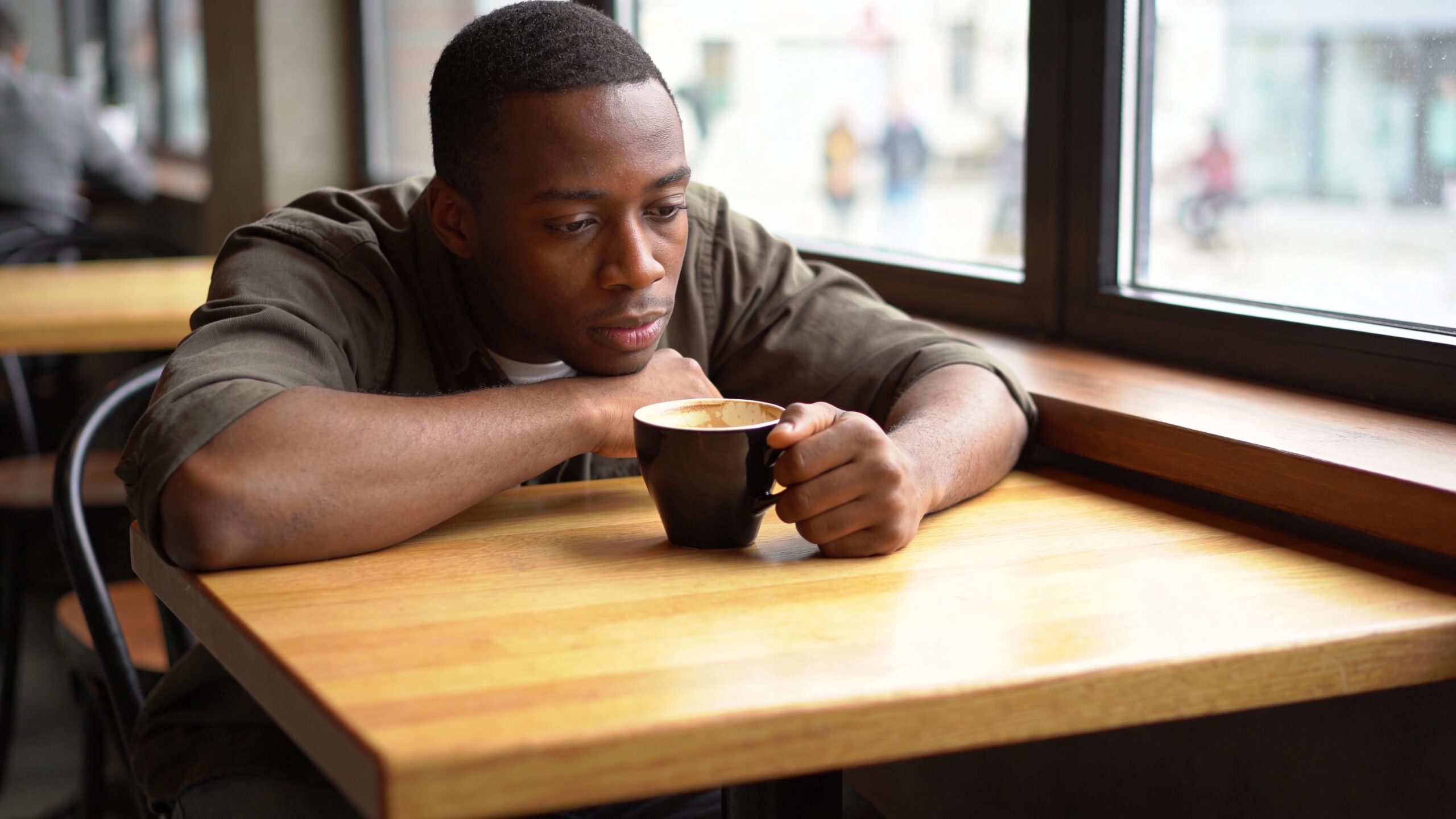
Comparing yourself to other singles often happens so subtly that you barely notice it. A friend announces an engagement, a coworker posts vacation photos with a new partner, or a dating app profile makes you question your own progress. Over time, these moments stack up and quietly shape how you see yourself. Comparison convinces you that everyone else is moving forward while you are standing still. It reframes dating as a race rather than a personal journey. The damage is not just emotional; it changes how you show up. When comparison becomes the lens through which you view your dating life, confidence erodes and curiosity disappears. Instead of asking what feels right for you, you start asking why you are not where someone else is.
A: Because dating is uncertain. Comparing feels like control, but it usually creates anxiety instead.
A: Set a personal scorecard you control—health, goals, friendships—and measure growth, not relationship status.
A: Curate your feed aggressively. Unfollow, mute, or take breaks—your peace is worth it.
A: Replace ranking with reality: you don’t know their full story, and compatibility isn’t a competition.
A: Alignment: values, effort, communication, and how you feel around the person.
A: Limit scrolling time, message intentionally, and take breaks. Too much “catalog browsing” fuels comparison.
A: Their speed isn’t your standard. Protect your pace and keep building a life you respect.
A: No—wanting love is normal. Just turn envy into goals, not self-criticism.
A: Ask: “What can I control today?” Then do one action—workout, plan a date, call a friend.
A: “I’m not trying to win— I’m trying to find the right fit.”
Why Comparison Feels So Automatic
The human brain is wired to compare. It uses relative information to make sense of the world, assess belonging, and evaluate safety. In dating, this instinct becomes especially loud because relationships are tied to identity, worth, and future security. Social media amplifies this tendency by presenting curated highlights rather than full stories. You see outcomes without context, joy without struggle, and milestones without the invisible work behind them. This creates a distorted sense of reality where others appear effortlessly successful. Understanding that comparison is a natural reflex, not a personal failure, helps loosen its grip. Awareness creates space to respond differently rather than being pulled automatically into self-judgment.
The Myth of Being Behind in Dating
One of the most harmful beliefs fueled by comparison is the idea that you are behind. Society quietly promotes timelines for relationships, implying that certain milestones should happen by certain ages. When your life does not match that script, comparison fills the gap with shame. In reality, dating does not follow a universal schedule. People meet partners at wildly different stages, and those who appear ahead are often navigating challenges you cannot see. The belief that you are late assumes there is a single correct path.
Letting go of that myth allows you to see your experience as valid rather than deficient. Dating confidence grows when you stop measuring progress by external milestones and start valuing alignment and readiness.
How Comparison Distorts Self-Perception
When you constantly compare yourself to other singles, you stop seeing yourself clearly. Strengths fade into the background while perceived shortcomings take center stage. You begin evaluating your personality, appearance, and life choices through someone else’s highlight reel. This distortion creates a feedback loop where insecurity fuels more comparison, which then deepens insecurity. Over time, you may feel less motivated to date at all because every interaction feels like further evidence of inadequacy. Breaking this cycle requires recognizing that comparison is not objective analysis. It is emotional storytelling driven by fear and scarcity. When you reclaim your own perspective, self-perception becomes more balanced and compassionate.
Shifting Focus From Outcomes to Experience
Comparison thrives on outcomes. Who is partnered, who is engaged, who seems happy. One way to weaken comparison is to shift attention from results to experience. Dating is not just about reaching a destination; it is about learning, connecting, and growing along the way. When you focus on the quality of your experiences rather than how they rank against others, dating feels less competitive and more meaningful. A date that leads nowhere can still be valuable if it helped you understand yourself better. This shift reframes dating as exploration rather than evaluation. When experience matters more than comparison, pressure eases and enjoyment increases.
Comparison becomes most powerful when dating feels like the primary source of validation. If your sense of worth depends heavily on relationship status, every comparison cuts deeper. Building a strong relationship with yourself outside of dating creates emotional insulation. This does not mean pretending you do not want a partner. It means cultivating fulfillment in other areas so dating becomes an addition rather than a verdict on your value. When your life feels meaningful on its own, comparison loses urgency. You are no longer measuring yourself against others to prove worth; you are choosing dating from a place of wholeness rather than lack.
Practicing Awareness Instead of Suppression
Trying to stop comparing entirely often backfires. Suppression makes comparison feel forbidden, which gives it more power. A more effective approach is awareness. When you notice yourself comparing, pause and name it without judgment. Ask what emotion is underneath it. Often it is loneliness, fear, or uncertainty about the future. Addressing the underlying feeling is more productive than fighting the comparison itself. Awareness turns comparison into information rather than identity. It reminds you that thoughts are experiences, not truths. Over time, this practice weakens the emotional charge that comparison carries.
Redefining Success on Your Own Terms
The final step in stopping comparison is redefining what success means to you. If success is defined externally, comparison will always have leverage. When success becomes internal, grounded in values and self-respect, comparison loses relevance. Success might mean dating with honesty, choosing partners who align with your values, or taking breaks when you need them. It might mean prioritizing emotional health over speed. When you define success this way, other people’s timelines no longer threaten yours. Confidence grows when you trust your own process. Dating becomes less about keeping up and more about staying true. In that space, comparison fades, and a quieter, steadier sense of self takes its place.