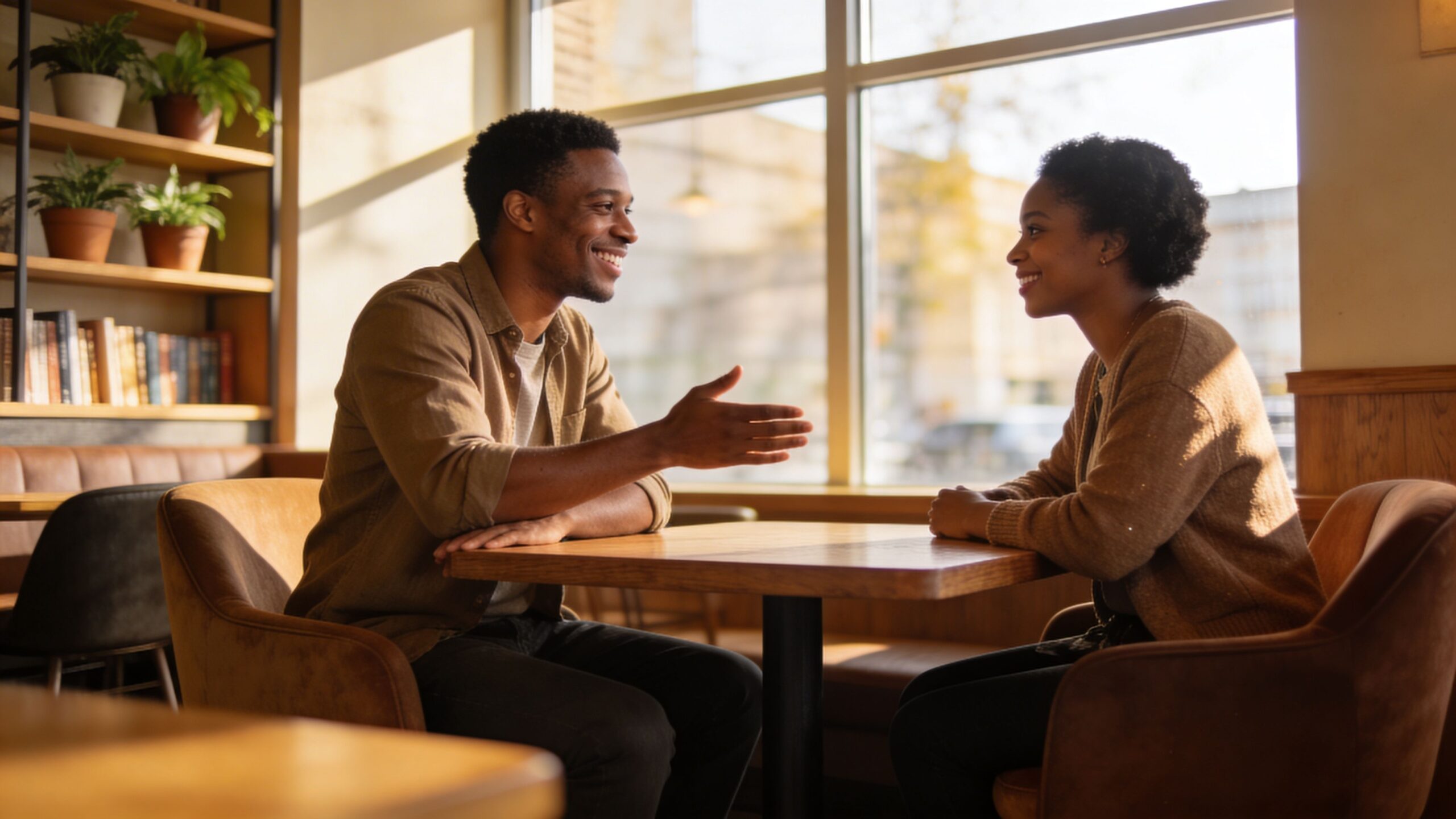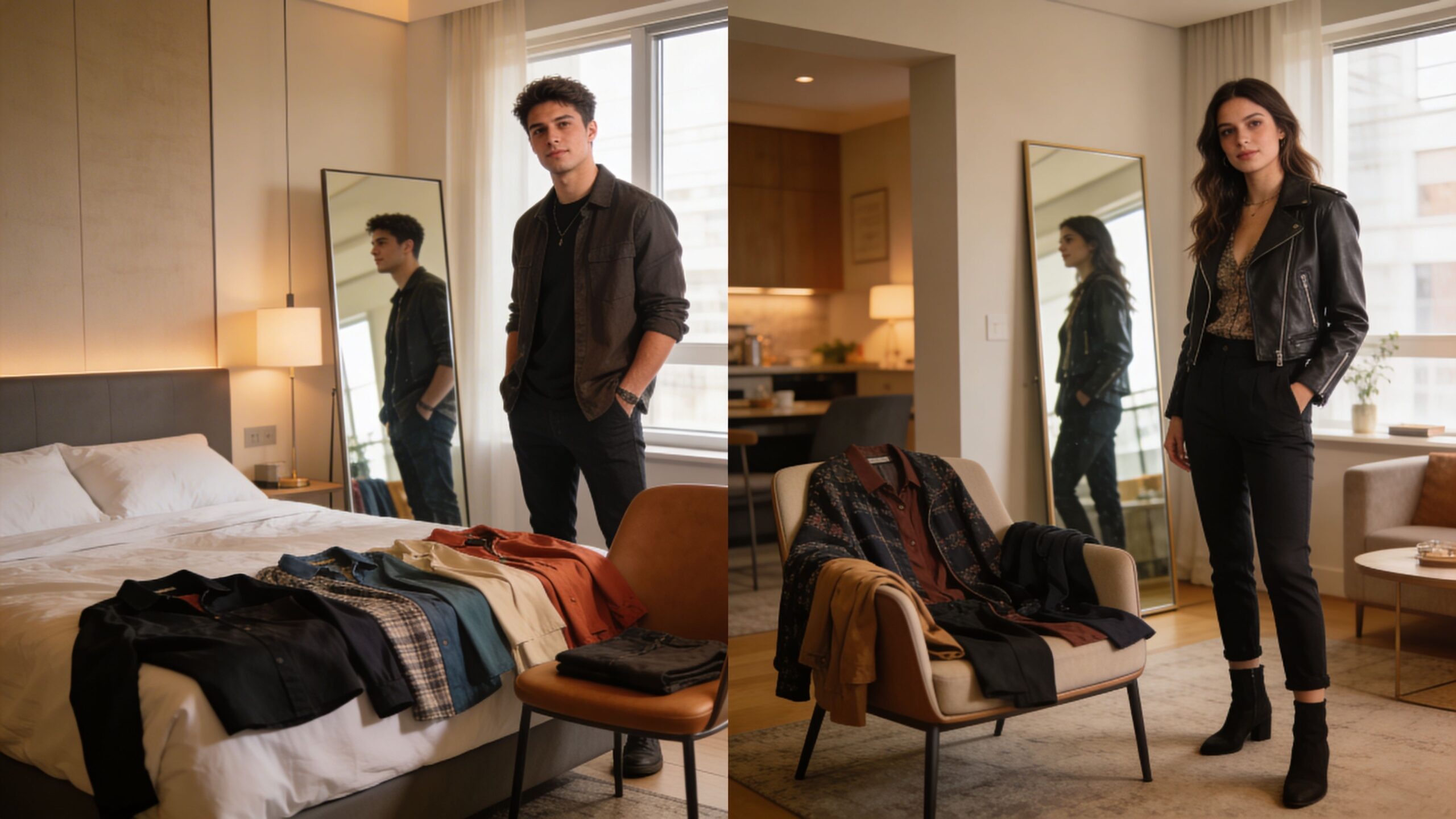
First impressions are powerful. Within seconds of meeting someone, subtle cues—your posture, your smile, and yes, your outfit—begin shaping how you are perceived. What you wear on a first date is not about impressing someone with expensive clothes or chasing trends. It is about communicating confidence, awareness, and authenticity without saying a word. Your outfit becomes a silent introduction, offering insight into your personality, lifestyle, and attention to detail. Clothing plays a psychological role in attraction. Studies in social psychology suggest that people often associate well-fitted, thoughtful outfits with competence, reliability, and emotional intelligence. When you show up looking intentional, you signal that you care about the experience—and by extension, the person you’re meeting. This doesn’t mean overdressing or trying too hard. Instead, it means aligning your appearance with the setting, the mood, and your natural style.
A: Match the venue, then aim one step sharper so you look intentional but not stiff.
A: Neutrals, deep blues, greens, burgundy, cream, and black usually look polished and flattering.
A: Yes, especially dark, clean, well-fitted jeans styled with polished shoes and a sharp top.
A: Keep it light—just enough to be noticed up close, not across the room.
A: Only if you already know it fits well and feels comfortable; first dates are not ideal for wardrobe experiments.
A: Anything wrinkled, stained, overly revealing, too tight, too flashy, or obviously uncomfortable.
A: Absolutely—clean, intentional shoes can elevate the entire outfit instantly.
A: Yes, if they are clean, modern, and styled with a polished casual outfit.
A: Go for smart casual—it is the safest middle ground for most first-date settings.
A: Wear something flattering, clean, comfortable, and true to your personality so confidence comes naturally.
Understanding the Context: Dress for the Date, Not Just the Mirror
One of the biggest mistakes people make is choosing an outfit in isolation—something that looks great in a mirror but doesn’t fit the setting. A first date at a casual coffee shop calls for a completely different look than a rooftop dinner or an outdoor activity. Dressing appropriately for the environment shows awareness and adaptability, both highly attractive traits.
Think about the tone of the date. Is it relaxed and conversational? Go for something polished but casual, like a clean pair of jeans paired with a well-fitted shirt or blouse. Is it more upscale? Elevate your look with tailored pieces, refined textures, and subtle accessories. If the date involves movement, like walking through a park or exploring a city, prioritize comfort without sacrificing style.
Weather is another factor that should never be overlooked. Dressing too warmly or too lightly can make you physically uncomfortable, which can affect your confidence and focus. Layering is often the smartest approach, giving you flexibility while maintaining a cohesive look.
Ultimately, the best outfits feel like they belong in the moment. When your clothing aligns with the setting, everything feels more natural—and that ease is something your date will notice.
Confidence First: Wearing What Feels Like You
No outfit will ever outshine genuine confidence. The most attractive thing you can wear is something that feels like an authentic extension of who you are. If you’re uncomfortable, constantly adjusting your clothes, or worrying about how you look, it will show in your body language and energy.
This is why it’s important to avoid experimenting too much on a first date. New clothes that haven’t been worn before can sometimes feel stiff or unfamiliar. Stick to pieces you know fit well and make you feel good. Confidence often comes from familiarity.
Fit is everything. Clothes that are too tight can feel restrictive, while oversized pieces can come across as careless if not styled intentionally. The sweet spot is a tailored fit that complements your body shape without drawing excessive attention to itself.
Color choice also plays a role in confidence. Neutral tones like black, navy, white, and earth tones are safe, versatile options that tend to photograph well and work in most environments. If you want to incorporate color, do so in a way that feels natural—perhaps through a statement piece or subtle accent.
When you feel like yourself, your energy becomes relaxed and engaging. That authenticity is far more memorable than any designer label.
The Power of Simplicity: Less Really Is More
There is a common misconception that making a strong impression requires a bold or flashy outfit. In reality, simplicity often carries more impact. Clean lines, cohesive color palettes, and well-chosen basics create a polished look that feels effortless.
Simplicity allows your personality to shine without distraction. Instead of overwhelming your look with too many elements, focus on a few key pieces that work well together. A crisp shirt, a structured jacket, or a flattering dress can do more than a complicated ensemble that feels over-styled.
Accessories should enhance, not dominate. A watch, a simple necklace, or a subtle bracelet can add character without pulling attention away from your overall presence. The same principle applies to patterns and textures. Mixing too many can create visual noise, while a balanced combination adds depth and interest.
Grooming is part of simplicity as well. Clean hair, neat nails, and attention to small details like lint or wrinkles can elevate even the most basic outfit. These finishing touches signal care and self-respect, which are universally appealing.
In many ways, the best first date outfit is one that looks like you didn’t overthink it—while still being thoughtfully put together.
Reading the Room: Style That Matches the Energy
Every date has its own unique energy. Some feel light and playful, while others lean toward deeper conversation and emotional connection. Your outfit can subtly reflect and reinforce that energy.
For a laid-back, daytime date, lighter colors and relaxed fabrics can create an approachable and friendly vibe. Think breathable materials, soft textures, and easy silhouettes. These choices make you appear open and comfortable, setting the tone for a relaxed interaction.
Evening dates often call for a slightly more refined approach. Darker tones, structured pieces, and elevated details can add a sense of sophistication and intrigue. This doesn’t mean dressing formally unless the setting requires it. It simply means adding a layer of intentionality to your look.
Pay attention to cultural and social cues as well. Different environments have different expectations, and aligning with them shows awareness and respect. At the same time, don’t lose your individuality. The goal is balance—fitting in just enough while still standing out in your own way.
When your outfit matches the energy of the date, it creates harmony. That harmony helps both people feel more at ease, making conversation flow naturally.
Details That Make the Difference: From Shoes to Scent
While the main outfit sets the foundation, it’s often the small details that leave a lasting impression. Shoes, for example, can say a lot about a person. Clean, well-maintained footwear signals attention to detail, while worn or inappropriate shoes can undermine an otherwise strong look.
Fragrance is another powerful but often overlooked element. A subtle, pleasant scent can enhance attraction and create a memorable sensory experience. The key is moderation. Overpowering fragrances can be distracting, while a light application adds a layer of intrigue.
Accessories, when chosen thoughtfully, can add personality. A unique watch, a meaningful piece of jewelry, or even a stylish belt can become conversation starters. These elements should feel intentional rather than random.
Fit adjustments also fall into this category. Rolling sleeves, tucking a shirt properly, or choosing the right length for pants can significantly improve the overall appearance. These small refinements show that you’ve taken the time to consider how everything comes together.
Even posture plays a role. Standing tall and moving with ease enhances the way your outfit is perceived. Clothing is not just about what you wear—it’s about how you carry it.
Common Mistakes to Avoid on a First Date
While knowing what to wear is important, understanding what to avoid can be just as valuable. One of the most common mistakes is overdressing or underdressing for the occasion. Both can create discomfort and make the interaction feel slightly off.
Another pitfall is prioritizing trends over personal style. Trendy pieces can be fun, but if they don’t align with your personality, they can feel forced. Authenticity always wins over imitation.
Neglecting grooming is another issue. Even the best outfit can be overshadowed by unkempt hair, wrinkled clothes, or poor hygiene. These details matter more than people often realize.
Comfort should never be sacrificed entirely for style. If you’re constantly adjusting your outfit or feeling physically restricted, it can take away from your ability to be present. Choose pieces that allow you to move naturally and focus on the experience.
Lastly, avoid trying to impress too aggressively. Flashy logos, excessive accessories, or overly complicated outfits can come across as trying too hard. Confidence is quiet, and the best outfits reflect that.
Creating a Lasting Impression That Goes Beyond Clothing
At the end of the day, your outfit is just one piece of the overall impression you create. It sets the stage, but it’s your personality, communication, and energy that define the experience. Clothing should support, not overshadow, who you are. When chosen thoughtfully, it can enhance your confidence and help you feel more prepared. That preparation allows you to focus on what truly matters—building a connection. A great first date outfit doesn’t guarantee chemistry, but it removes unnecessary distractions. It creates a sense of ease and shows that you respect both yourself and the person you’re meeting. The perfect impression is not about being flawless. It’s about being genuine, present, and comfortable in your own skin. When your outfit aligns with those qualities, it becomes more than just clothing. It becomes part of the story you’re telling—and the connection you’re creating.